To effectively support high-ratio recycled asphalt production, asphalt plant suppliers must implement strategic design improvements that enhance material handling, mixing efficiency, and overall operational stability. These enhancements ensure stable output quality even with increased recycled asphalt ratios. Furthermore, recycled asphalt-ready configurations can significantly influence long-term operational costs and return on investment for asphalt plant buyers, making them a crucial element in modern asphalt production.
Enhancing Material Handling Systems
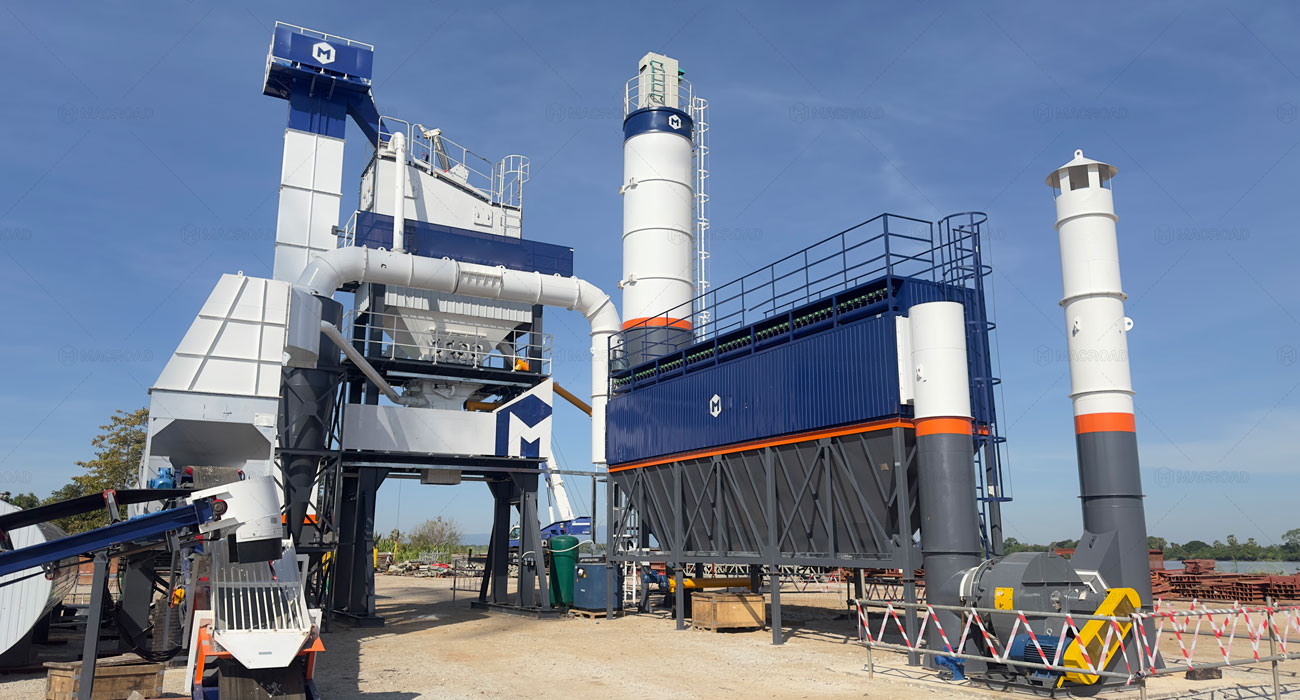
One of the primary design improvements asphalt plant suppliers need to consider is the enhancement of material handling systems. The incorporation of advanced feeders and transfer mechanisms specifically designed for high-ratio recycled asphalt is essential for optimizing the blending process. By using smart feeding technology that can adjust based on the material input, plants can ensure consistent ratios of recycled and new materials, promoting stable output quality.
Moreover, the layout of the asphalt plants for sale plays a vital role in efficient material flow. Streamlined configurations reduce the distances materials travel, which minimizes the potential for mix variation. Effective design should allow for the quick transition between different types of asphalt mixes, including those with high recycled asphalt content. This flexibility not only improves production stability but also ensures that the plant can easily adapt to varying project requirements.
Additionally, integrating advanced monitoring systems into material handling can provide real-time data on flow rates and material consistency. This feature enables operators to make immediate adjustments, maintaining high quality standards throughout production. Consequently, as asphalt plant suppliers enhance material handling systems, they not only support recycled asphalt production but also increase overall operational efficiency.
Improving Mixing Technology
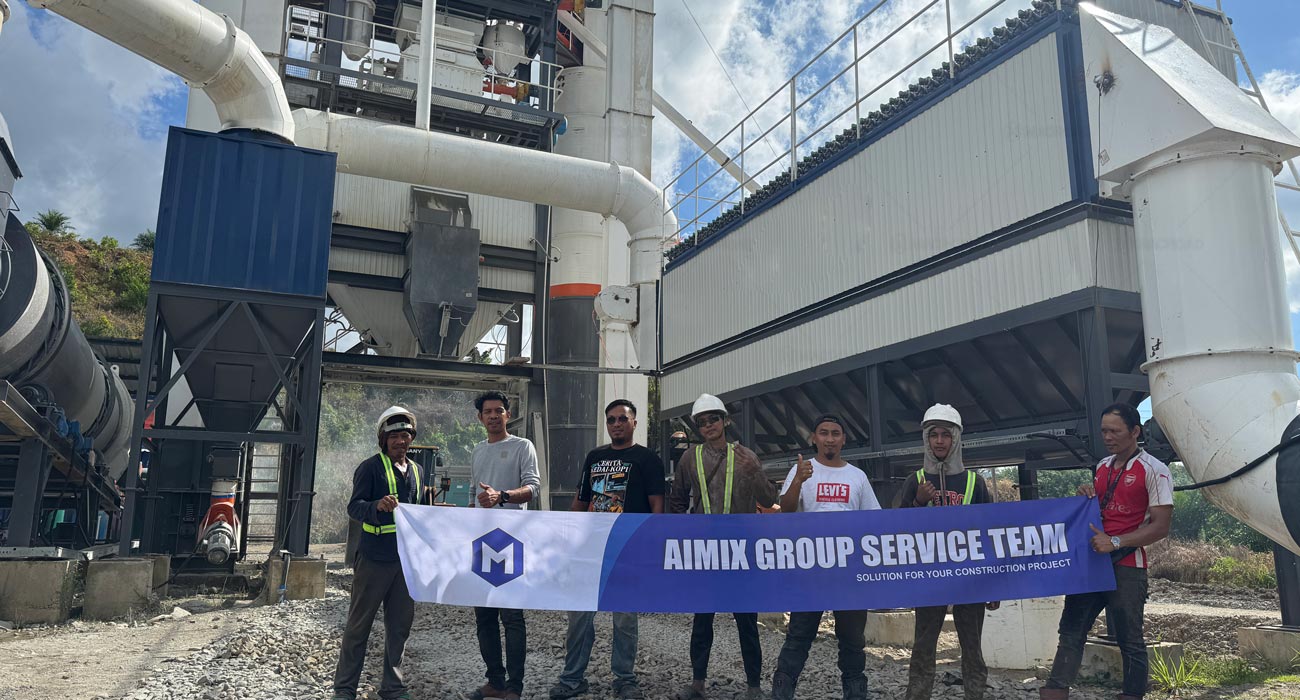
Advanced mixing technology is crucial for asphalt plants aiming to produce high-ratio recycled asphalt while maintaining output quality. Suppliers should focus on improvising mixing systems that can handle diverse material characteristics. Enhancing drum designs or incorporating batch mixers with better temperature control can significantly improve the mixing process.
Effective mixing technology should also allow for the precise adjustment of temperatures when incorporating recycled asphalt. Higher ratios of recycled materials often require careful temperature management to prevent issues such as insufficient adhesion or mix instability. By optimizing this aspect of mixing, suppliers can ensure that the final product meets quality standards while maximizing the use of recycled materials.
Moreover, innovations like high-efficiency mixing blades or dynamic mixing systems can enhance the uniformity of asphalt blends. This level of precision helps in achieving the desired properties of the asphalt, providing a sturdy end product suitable for various applications. Thus, improvements in mixing technology not only bolster the reliance on recycled asphalt but also contribute to the overall quality and performance of the asphalt produced.
Assessing Long-Term Operational Costs
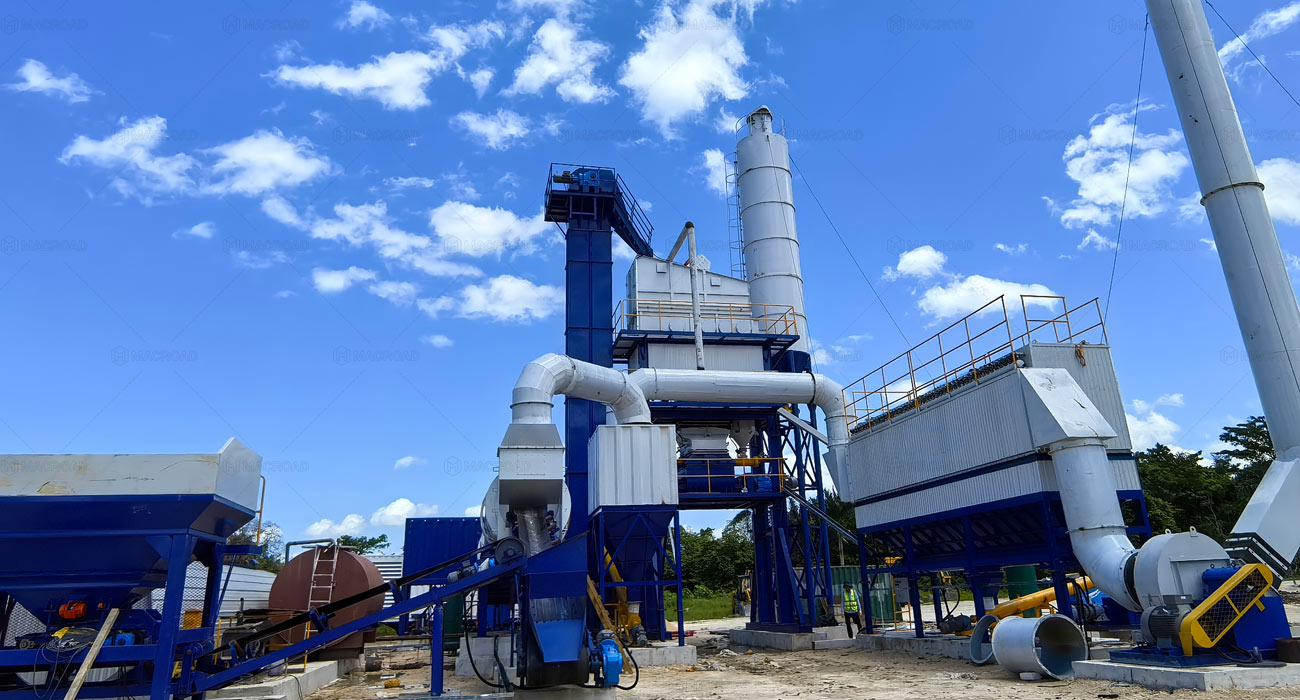
The influence of recycled asphalt-ready configurations on long-term operational costs and return on investment is significant. Plants designed for high-ratio recycled asphalt production generally experience lower material costs, as the reliance on virgin aggregates decreases. This shift can lead to substantial savings over time, particularly for companies undertaking large-scale projects.
Additionally, operational efficiency enhancements often result in reduced fuel consumption and energy costs. By investing in modern designs that support high ratios of recycled asphalt, asphalt plant buyers can benefit from reduced overall operating expenses. These plants typically require less maintenance due to robust designs optimized for recycling processes, which further lowers long-term asphalt plant cost.
Furthermore, the quality of the end product produced from recycled asphalt-ready configurations often leads to enhanced marketability. Projects that utilize sustainable practices attract more clients interested in environmental stewardship, increasing potential revenue streams. Consequently, the investment in such configurations not only enhances operational efficiency but also increases the potential for higher returns, making it a judicious choice for buyers in the asphalt industry.
Conclusion
In conclusion, asphalt plant suppliers must focus on enhancing material handling systems and improving mixing technology to support high-ratio recycled asphalt production while ensuring stable output quality. These design improvements lead to significant advantages, including reduced long-term operational costs and improved return on investment for asphalt plant buyers. As the industry moves towards more sustainable practices, the adoption of recycled asphalt-ready configurations will play a crucial role in shaping competitive and environmentally responsible asphalt production. By embracing these advancements, suppliers and buyers alike can foster a more resilient asphalt industry.