Planning a 30 km coastal highway project in Ecuador is a major undertaking. Selecting the right asphalt plant is crucial to ensure smooth project execution, cost-efficiency, and timely delivery. Contractors often ask: “What TPH asphalt plant is suitable for a project of this scale?” This article provides practical guidance to help you make an informed decision from both a technical and business perspective.
Understanding Project Requirements
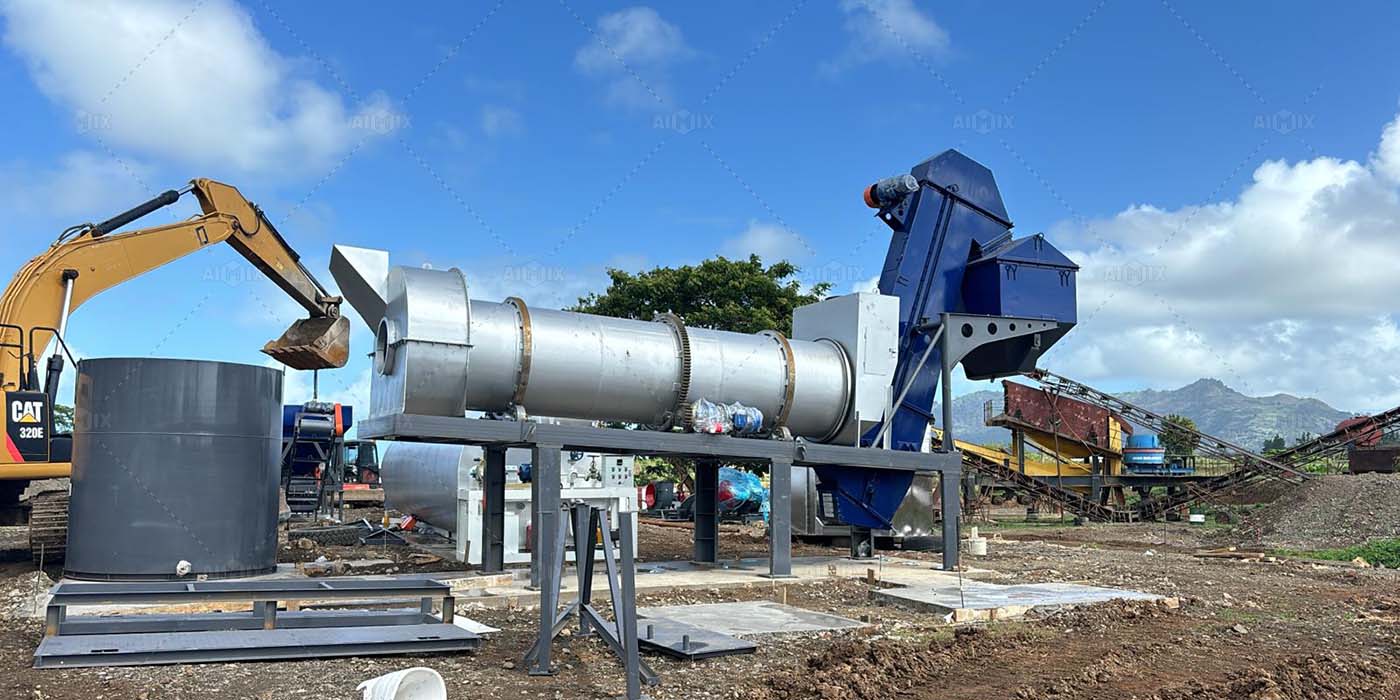
Before choosing an asphalt plant, you need to analyze your project requirements. A 30 km coastal highway involves different challenges, including varying terrain, environmental conditions, and expected traffic load. Coastal regions often face high humidity and salt exposure, which affects asphalt mix performance. Understanding these factors early helps in selecting the right plant capacity and technology. For smaller projects or limited budgets, a mini asphalt mixing plant can offer flexibility without compromising quality.
Additionally, you must estimate the total asphalt volume required. For a 30 km highway with an average width of 7 meters and a 0.05 m asphalt thickness, the total asphalt volume can be roughly calculated as:
Volume = Length × Width × Thickness = 30,000 m × 7 m × 0.05 m = 10,500 m³
Having this figure helps determine the production capacity needed from your asphalt plant. It also affects your project timeline and cost estimations.
Calculating Required TPH Capacity
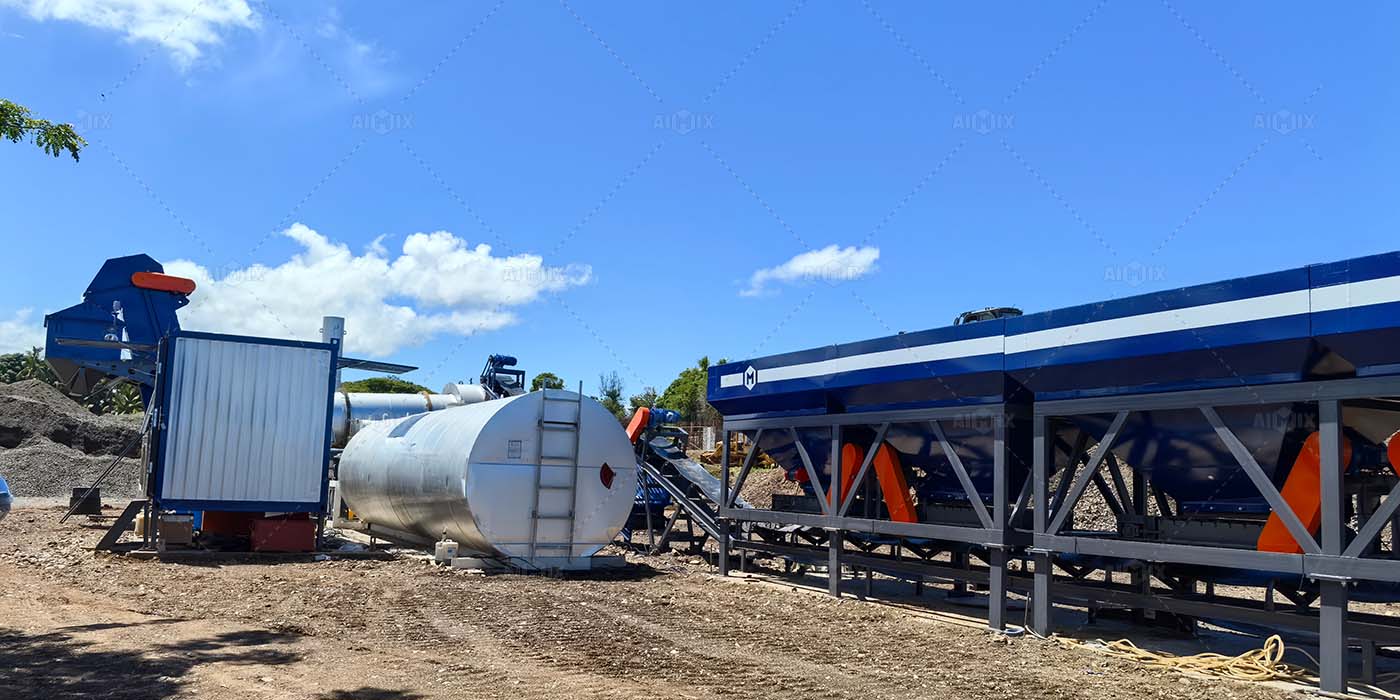
TPH, or tons per hour, measures an asphalt plant’s production rate. Choosing a plant with insufficient TPH can delay the project, while overcapacity increases unnecessary investment costs. The key is to match the plant’s production with daily asphalt demand.
Assuming a 6-month construction schedule with 22 working days per month, you have roughly 132 working days. Dividing the total asphalt volume by the number of days gives a daily requirement:
Daily Asphalt Requirement = 10,500 m³ ÷ 132 days ≈ 79.5 m³/day
If we convert this to tons (considering asphalt density ~2.3 t/m³):
Daily Asphalt Requirement ≈ 79.5 m³ × 2.3 t/m³ ≈ 183 t/day
Assuming 8 working hours per day, the required TPH capacity is:
Required TPH ≈ 183 t/day ÷ 8 h ≈ 22.9 t/h
This calculation indicates that a small asphalt plant with 25–30 TPH capacity could meet the minimum project demand. Many contractors opt for a small asphalt plant for sale to combine mobility and efficiency for coastal highway sites.
Factors Affecting Asphalt Plant Choice
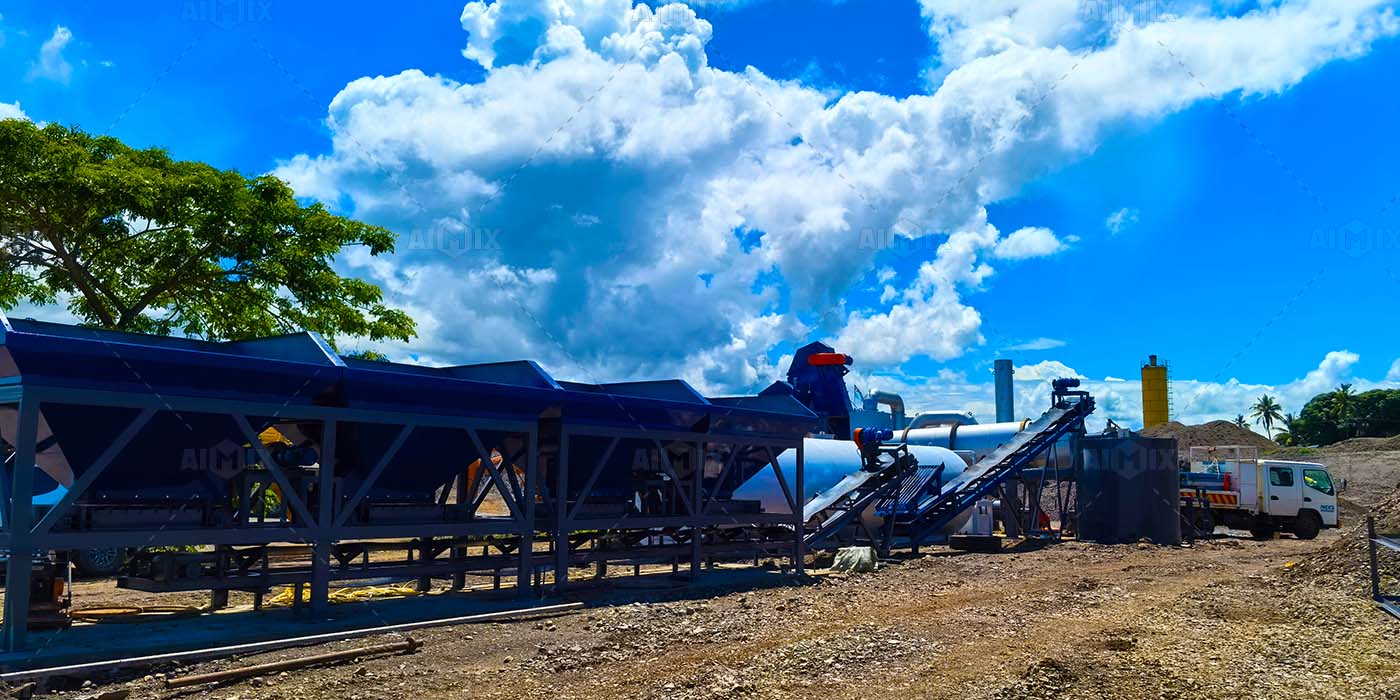
Choosing the right TPH asphalt plant goes beyond simple production calculations. Several factors influence the decision:
1. Project Timeline And Urgency
If the highway construction has strict deadlines, selecting a plant with higher TPH ensures flexibility. A 50–60 TPH plant allows faster production, reducing the risk of delays caused by bad weather or logistical issues. A reliable asphalt mix plant ensures consistent output and minimizes operational risk.
2. Material Supply And Storage
Coastal projects often face limited local aggregates and bitumen supply. Plants with larger storage silos and hot aggregate bins help maintain continuous production. This reduces downtime caused by supply delays and ensures consistent asphalt quality.
3. Mobility And Installation
For long coastal projects, mobile or modular asphalt plants can save time on transportation and installation. Static plants provide higher efficiency for centralized projects, while mobile plants offer flexibility along multiple construction points.
4. Environmental Compliance
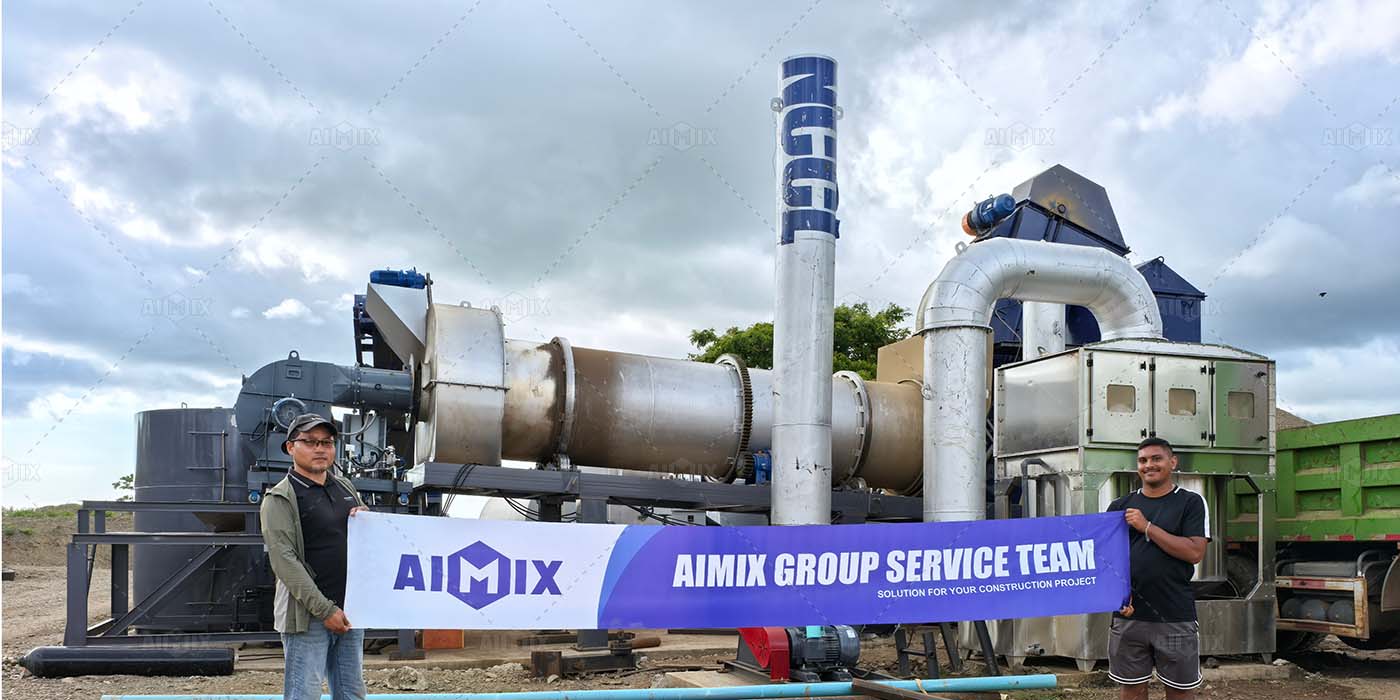
Ecuadorian regulations require dust control and emissions monitoring for asphalt production. Plants equipped with advanced baghouse filters and low-emission burners are safer and often faster to obtain local approvals.
5. Asphalt Mix Variety
Coastal highways require specific asphalt mixes that resist moisture, salt, and heavy traffic loads. Choosing a plant capable of producing various mix designs (e.g., SMA, OGFC, dense-graded mixes) ensures you meet quality and durability standards. For batch production and precise control, consider a batch mix asphalt plant.
Comparing Different Asphalt Plant Capacities
Based on the previous calculations and practical experience, here is a comparison of typical TPH asphalt plants for a 30 km highway:
- 25–30 TPH: Meets minimum daily demand, suitable for smaller contractors or long-term projects with flexible timelines.
- 40–60 TPH: Ideal for medium-scale contractors. Offers buffer capacity, faster production, and easier handling of unexpected surges.
- 80–120 TPH: Suitable for large contractors or projects with strict deadlines. High initial investment but ensures timely delivery and multiple construction phases.
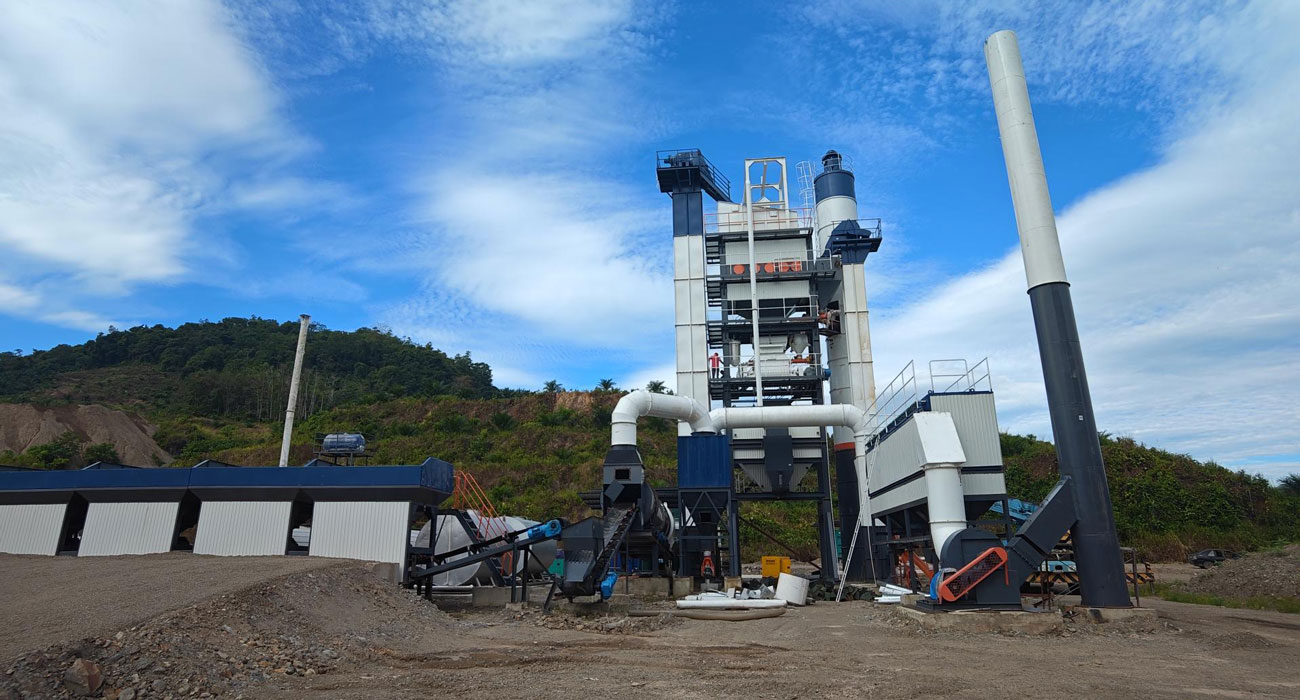
For a 30 km coastal highway in Ecuador, a 50–60 TPH asphalt batch plant is often the most cost-effective and efficient choice. It balances investment, flexibility, and daily production requirements.
Practical Considerations For Coastal Highway Projects
Even with the right TPH plant, you must address practical site conditions to ensure smooth asphalt production:
1. Access To Water And Energy
Coastal highways require water for dust suppression and energy for plant operation. Assess the availability of electricity and water supply near your project site. Plants with energy-efficient burners and low water consumption are advantageous.
2. Workforce And Training
An experienced workforce ensures smooth plant operation and consistent asphalt quality. Consider plants that offer local training or remote support to minimize operational risks.
3. Maintenance And Spare Parts
Regular maintenance is essential for continuous operation. Selecting a plant with accessible spare parts, technical support, and robust components reduces downtime and unexpected repair costs.
Case Study: Similar Coastal Highway Projects
Several coastal highway projects in Latin America demonstrate the importance of choosing the right TPH asphalt plant:
- A 35 km highway in northern Peru used a 60 TPH batch plant. They achieved timely delivery despite rainy season interruptions.
- In Colombia, a 28 km coastal highway leveraged a 50 TPH plant with mobile silos to optimize production across multiple construction sites.
- For a 32 km Ecuadorian road, a 55 TPH batch plant enabled high-quality asphalt production with minimal environmental impact, meeting local regulations efficiently.
These examples underline the importance of matching plant capacity to project scale, environmental conditions, and timeline requirements.
Financial And Operational Benefits
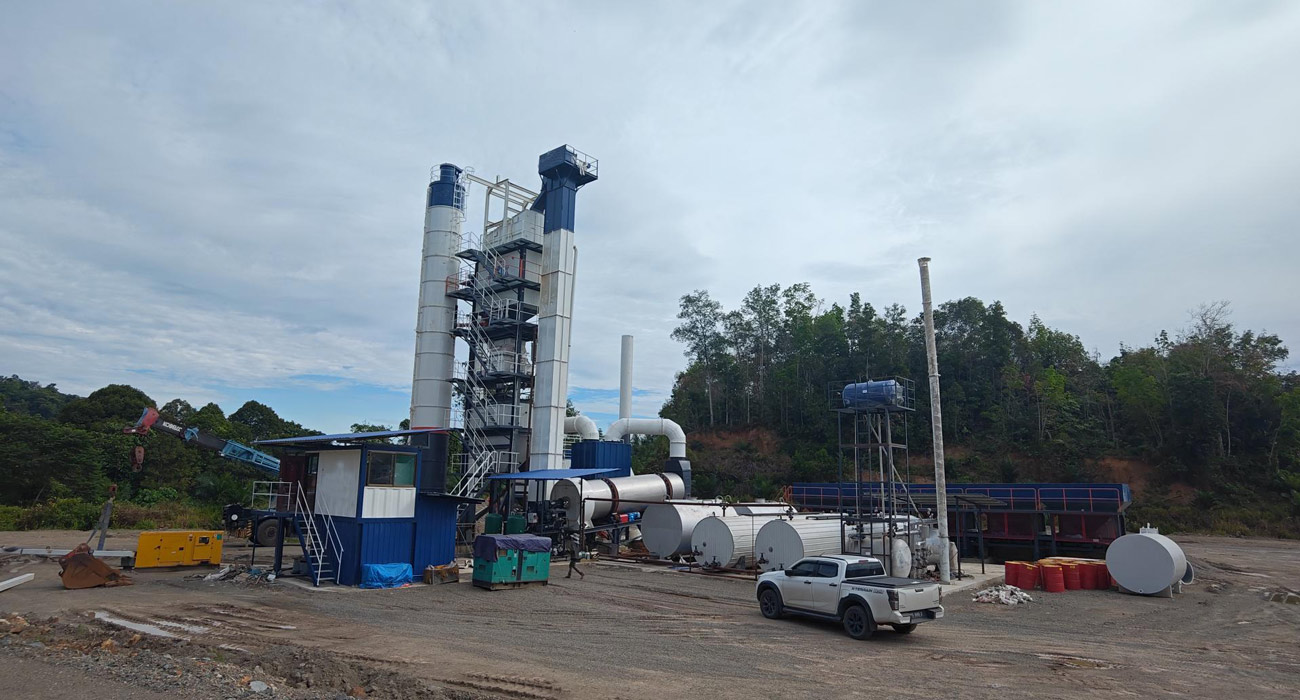
Investing in the right TPH asphalt plant can save costs and time in several ways:
- Reduced Transportation Costs: Producing asphalt near the construction site minimizes hauling distance and fuel consumption.
- Consistent Quality: Batch plants maintain uniform asphalt temperature and mix consistency, ensuring durability for coastal conditions.
- Flexible Scheduling: Plants with buffer capacity handle production surges, reducing downtime during peak demand.
- Regulatory Compliance: Modern plants with dust and emissions control meet environmental standards, avoiding fines and work stoppages.
Conclusion: Choosing The Right TPH Asphalt Plant
For a 30 km coastal highway project in Ecuador, selecting an asphalt plant requires careful consideration of production capacity, project timeline, local conditions, and environmental compliance. Based on calculations and real-world experience, a 50–60 TPH asphalt batch plant often provides the best balance of efficiency, cost, and flexibility. Ensure the plant supports the required asphalt mix types, offers reliable operation, and comes with accessible technical support.
By investing in the right plant, contractors can reduce project risk, ensure timely delivery, and produce high-quality asphalt suitable for coastal conditions. This strategic choice directly impacts project success and long-term durability.
Call To Action: Optimize Your Highway Construction Today
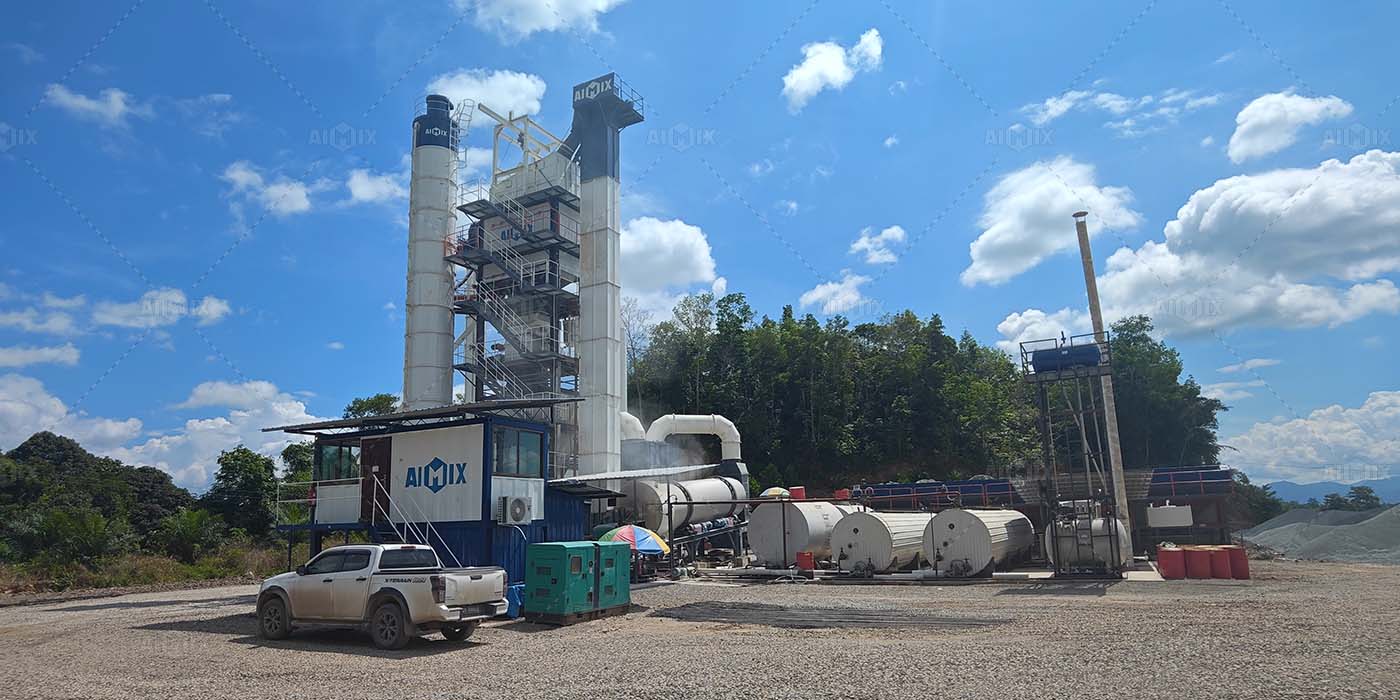
Don’t let asphalt production become a bottleneck. Contact our team to find the ideal TPH asphalt plant for your 30 km coastal highway in Ecuador. We provide expert guidance, installation support, and training to ensure your project runs smoothly from start to finish. Invest smart, build efficiently, and achieve lasting results for your highway project.