Europe’s limestone quarrying industry is undergoing a significant transformation, driven by a confluence of economic, environmental, and operational factors. The traditional paradigm of fixed crushing plants is being challenged by the increasing adoption of mobile jaw crushers, which offer unprecedented flexibility and efficiency in limestone processing operations. This shift is particularly pronounced in regions with stringent environmental regulations and complex geological conditions, where the ability to relocate crushing capacity provides distinct competitive advantages. The European market for mobile jaw crushers is experiencing robust growth, with projections indicating sustained expansion through 2032, reflecting the industry’s recognition of the technology’s operational and economic benefits. Limestone, as a relatively soft to medium-hard sedimentary rock, is particularly well-suited to mobile crushing operations, allowing quarry operators to maximize production while minimizing environmental impact and operational costs.
Market Dynamics and Regional Adoption Patterns
The European mobile jaw crusher market is characterized by diverse adoption patterns across different regions, influenced by varying regulatory frameworks, infrastructure development priorities, and quarrying practices. Germany and the United Kingdom lead the market in terms of technological adoption and equipment density, driven by their advanced construction sectors and stringent environmental standards. Southern European countries, including Italy, Spain, and France, are experiencing accelerated adoption rates as they modernize their quarrying operations to meet EU environmental directives. The Nordic countries, with their extensive limestone resources and focus on sustainable mining practices, are increasingly integrating mobile crushing solutions into their operations. This regional variation reflects the complex interplay between regulatory pressure, economic viability, and technological readiness that defines the European limestone crushing landscape.
The market’s growth trajectory is underpinned by several key drivers. The European Union’s Stage V emission regulations, which mandate stricter limits on particulate matter and nitrogen oxides for mobile machinery, have accelerated the replacement of older equipment with more efficient, compliant mobile jaw crushers. The construction industry’s demand for high-quality aggregates, particularly for infrastructure projects and urban development, has created sustained pressure for increased production capacity and operational flexibility. Additionally, the trend toward smaller, more dispersed quarry operations, driven by environmental constraints and community concerns, has made mobile crushing solutions increasingly attractive compared to traditional fixed plants. These factors, combined with technological advancements in mobile crusher design and performance, have created a favorable environment for market expansion across the continent.
Economic Drivers and Cost Efficiency
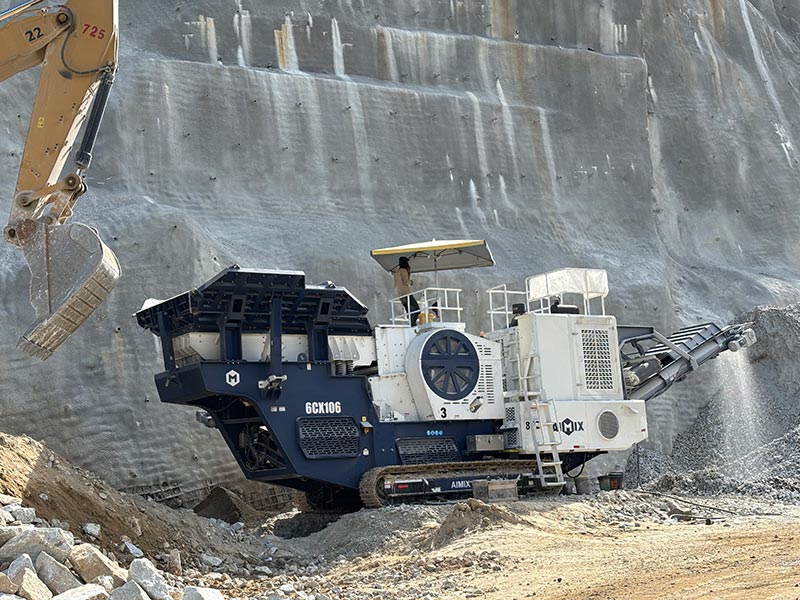
The economic rationale for mobile jaw crusher adoption extends beyond initial capital investment to encompass total cost of ownership and operational efficiency. Mobile jaw crushers typically range from $100,000 to $300,000, depending on capacity and specifications, representing a significant but justifiable investment for medium to large-scale quarry operations. The key economic advantage lies in the reduction of material transport costs, which can account for 15-30% of total operational expenses in traditional quarrying setups. By bringing the crushing operation directly to the material source, mobile limestone crushers eliminate the need for extensive truck haulage, reducing fuel consumption, labor costs, and equipment wear. This on-site processing capability is particularly valuable in limestone quarries, where material distribution may be uneven or access to fixed crushing plants is limited.
Operational flexibility represents another critical economic benefit. Mobile jaw crushers can be quickly relocated between different quarry faces or even different sites, maximizing equipment utilization and reducing idle time. This mobility allows operators to respond rapidly to changing market conditions, shifting production to areas with higher demand or better material quality. The ability to process material on-site also reduces the need for large stockpiles and associated handling equipment, further lowering capital and operational costs. For limestone operations facing seasonal demand fluctuations or project-based work, this flexibility provides a competitive edge in managing production schedules and resource allocation.
Return on Investment Analysis
The return on investment for mobile jaw crushers is typically realized within 2-3 years for most limestone quarry operations, based on a combination of cost savings and revenue enhancement. The primary cost savings come from reduced transport expenses, with mobile crushing operations typically achieving 25-40% lower transport costs compared to fixed plant configurations. Labor efficiency is another significant factor, as mobile crushers can often be operated by a single operator, reducing manpower requirements by 30-50% compared to traditional crushing setups. Maintenance costs are also optimized, as mobile crushers are designed for easy access and component replacement, reducing downtime and associated production losses.
Revenue enhancement opportunities include the ability to process material that would otherwise be uneconomical to transport to a fixed plant, such as low-grade limestone or material from remote quarry faces. Mobile crushers can also be deployed for contract crushing work, generating additional revenue streams during periods of lower internal demand. The flexibility to produce multiple aggregate products simultaneously, by adjusting crusher settings and screening configurations, allows operators to capture value across different market segments and price points. These combined factors contribute to a compelling economic case for mobile jaw crusher adoption in Europe’s limestone industry.
Environmental Compliance and Sustainability
Environmental considerations are increasingly central to quarrying operations in Europe, with mobile jaw crushers offering several advantages in meeting regulatory requirements and sustainability goals. The European Parliament’s Stage V regulations, which came into effect in 2019, impose strict limits on particulate matter (PM) and nitrogen oxides (NOx) emissions for mobile machinery, including construction and quarrying equipment. Modern mobile jaw crushers are designed to comply with these standards, incorporating advanced emission control technologies such as diesel particulate filters and selective catalytic reduction systems. These technologies have reduced particulate matter and nitrogen oxide emissions by over 95% compared to older equipment, making mobile crushers a compliant choice for environmentally sensitive operations.
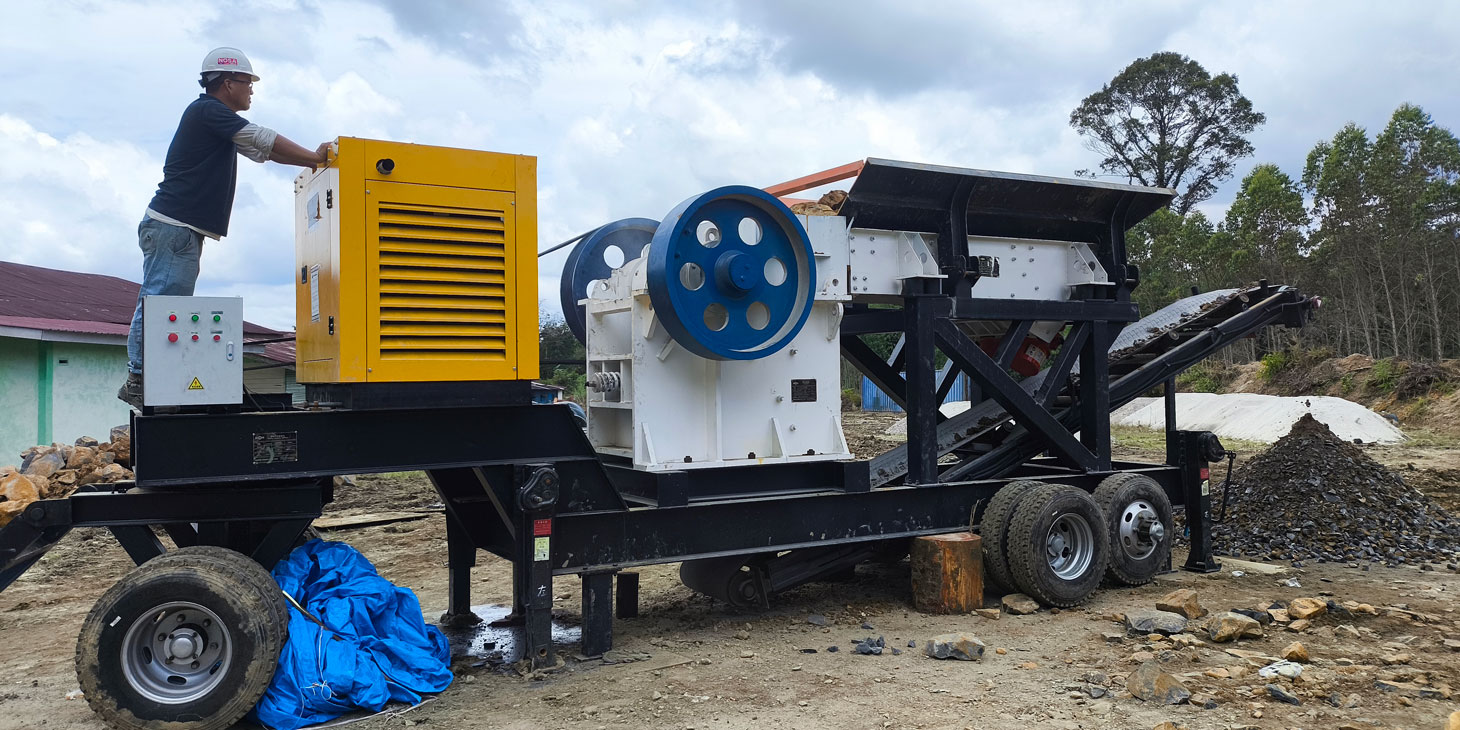
Beyond emissions compliance, mobile jaw crushers contribute to sustainability through reduced energy consumption and material efficiency. The elimination of material transport reduces fuel consumption and associated carbon emissions, while on-site processing minimizes material handling and associated energy use. Modern mobile crushers also incorporate energy-efficient drive systems, such as diesel-electric hybrids, which can reduce fuel consumption by 20-30% compared to conventional diesel drives. The ability to process material directly at the source reduces material degradation and waste, as limestone can be crushed to the required specifications without multiple handling stages. These environmental benefits, combined with the operational advantages of mobile crushing, make the technology an attractive option for quarry operators seeking to balance productivity with environmental responsibility.
Noise and Dust Control
Noise and dust control are critical environmental considerations in limestone quarrying, particularly in proximity to residential areas or sensitive ecosystems. Modern mobile jaw crushers incorporate advanced noise reduction technologies, including acoustic insulation, hydraulic drive systems, and vibration dampening, which reduce operational noise by 25-30% compared to conventional crushers. These features help quarry operators meet local noise regulations and maintain positive community relations. Dust suppression systems, including water sprays, misting cannons, and enclosed crushing chambers, effectively control dust emissions during material processing. Some advanced portable crushing plants also feature integrated dust collection systems that capture and filter airborne particles, further reducing environmental impact and improving air quality on site.
The mobility of these crushers allows operators to position equipment strategically to minimize noise and dust impact on surrounding areas. By moving the crushing operation away from sensitive receptors or adjusting working hours based on wind conditions and community concerns, operators can demonstrate environmental stewardship while maintaining production efficiency. This flexibility is particularly valuable in Europe, where quarry operations often exist in close proximity to residential areas and are subject to strict environmental monitoring and community consultation requirements.
Technological Advancements and Operational Efficiency
Mobile jaw crushers have undergone significant technological evolution, with modern machines offering capabilities that rival or exceed those of fixed plants. The integration of advanced hydraulic systems allows for automatic adjustment of crusher settings, optimizing product gradation and shape in real-time based on material characteristics and production requirements. This automation reduces operator intervention and ensures consistent product quality, even with varying feed materials. Digital control systems enable remote monitoring and adjustment of machine parameters, allowing operators to optimize performance from a central control room or even off-site locations. These features reduce labor requirements, minimize human error, and improve overall operational efficiency.
Performance enhancements include higher throughput capacities, with modern mobile jaw crushers capable of processing 200-400 tons per hour of limestone, depending on machine size and configuration. Advanced rotor designs and crushing chamber geometries optimize material impact and energy utilization, reducing wear and tear while increasing production capacity. The integration of screening units and return conveyors creates closed-circuit systems that can produce multiple aggregate products simultaneously, eliminating the need for separate screening plants and reducing material handling requirements. These technological advancements have made mobile jaw crushers a viable alternative to fixed plants for many limestone quarry operations, particularly those requiring flexibility or operating in challenging environments.
Mobility and Site Adaptability
The defining characteristic of mobile jaw crushers is their mobility, which provides operational advantages that fixed plants cannot match. Crawler-mounted or wheeled chassis allow these machines to navigate rough terrain, access remote quarry faces, and operate in areas with limited infrastructure. This mobility eliminates the need for extensive site preparation, including foundations, power connections, and material handling systems, reducing setup time and capital investment. Mobile crushers can be operational within hours of arrival on site, compared to weeks or months for fixed plant construction. This rapid deployment capability is particularly valuable for short-term projects, emergency production requirements, or operations in areas with limited access to permanent infrastructure.
Site adaptability extends beyond mobility to include operational flexibility. Mobile jaw crushers can be configured with different crusher types, screening units, and conveyor systems to match specific production requirements and material characteristics. This modularity allows operators to customize their crushing circuit for optimal performance, whether processing soft limestone for agricultural lime or hard limestone for construction aggregates. The ability to quickly reconfigure equipment also enables operators to respond to changing market demands or material conditions, maximizing production efficiency and product quality. This adaptability is a key advantage in Europe’s diverse limestone landscape, where geological variations and market requirements can vary significantly between regions and even within individual quarries.
Maintenance and Reliability
Modern mobile jaw crushers are designed for reliability and ease of maintenance, with features that minimize downtime and reduce operational costs. Hydraulic systems allow for quick adjustment of crusher settings and easy access to wear parts, reducing maintenance time and labor requirements. Automated lubrication systems ensure proper component lubrication, extending equipment life and reducing the risk of premature failure. Remote monitoring capabilities enable predictive maintenance, with sensors tracking component wear, temperature, and vibration to identify potential issues before they cause downtime. These features are particularly important in limestone quarrying, where production interruptions can have significant financial implications.
Wear part design has also improved, with modern rock crushers featuring longer-lasting liners, jaws, and other components that reduce replacement frequency and associated costs. Some manufacturers offer wear parts with lifespans of 20,000 hours or more for critical components, significantly reducing maintenance requirements and improving overall equipment availability. The modular design of many mobile crushers allows for quick component replacement, with standardized parts that can be sourced globally and installed with minimal downtime. These reliability and maintenance advantages contribute to the total cost of ownership calculation, making mobile jaw crushers an increasingly attractive option for limestone quarry operators seeking to maximize equipment uptime and minimize operational disruptions.
Future Outlook and Industry Implications
The future of mobile jaw crushers in Europe’s limestone industry appears promising, with several trends likely to shape adoption patterns and technological development. The continued tightening of environmental regulations, particularly around emissions, noise, and dust, will drive demand for cleaner, more efficient crushing equipment. The transition to electric and hybrid power systems is already underway, with some manufacturers offering fully electric mobile crushers that produce zero emissions during operation. This trend aligns with Europe’s broader sustainability goals and the quarrying industry’s efforts to reduce its environmental footprint. As battery technology improves and charging infrastructure expands, electric mobile crushers may become the standard for operations in environmentally sensitive areas or urban locations.
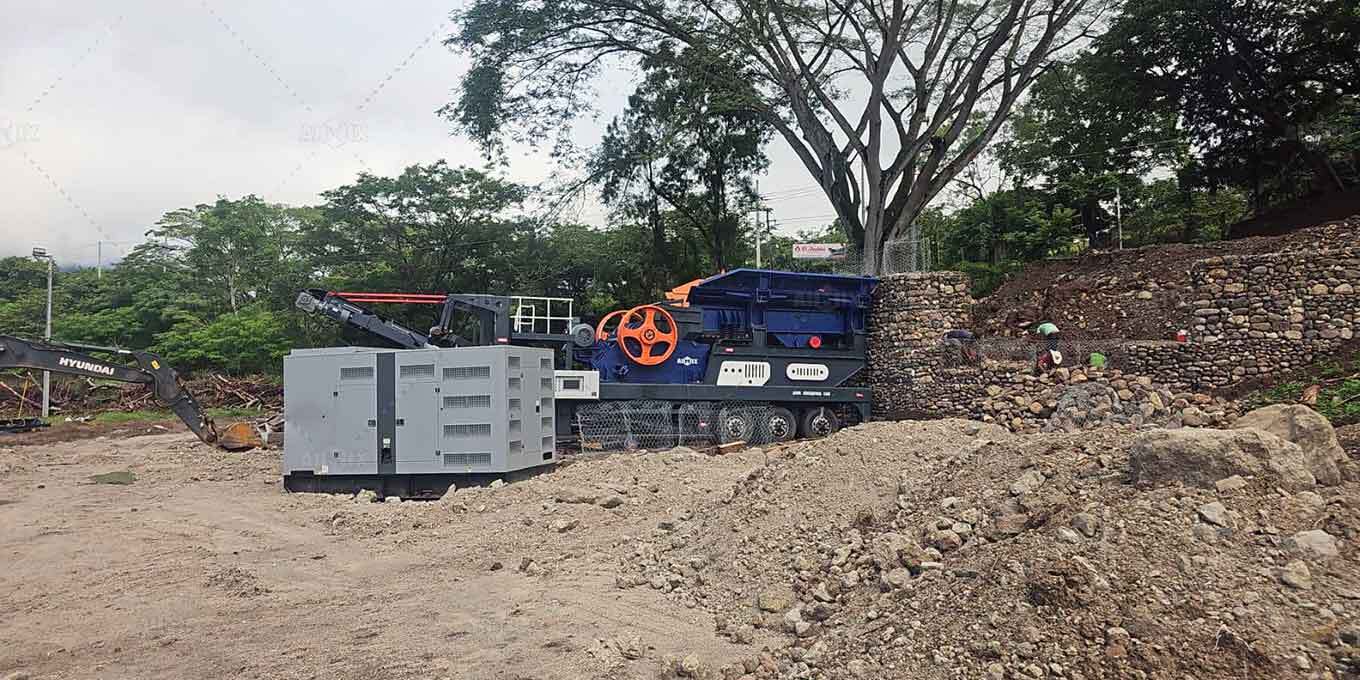
Digitalization and automation will continue to advance, with artificial intelligence and machine learning algorithms being integrated into mobile crushing systems. These technologies will enable predictive maintenance, production optimization, and autonomous operation, further reducing labor requirements and improving operational efficiency. The integration of mobile crushers with broader quarry management systems will create more connected, data-driven operations, allowing for real-time decision-making and resource optimization. These technological advancements, combined with the operational and economic benefits of mobile crushing, suggest that the adoption of mobile jaw crushers in Europe’s limestone industry will continue to grow, reshaping how quarry operations are conducted and setting new standards for efficiency, sustainability, and profitability.
Market Expansion Opportunities
The market for mobile jaw crushers in Europe’s limestone industry is expected to expand beyond traditional quarrying applications to include new sectors and use cases. The construction and demolition waste recycling sector represents a significant growth opportunity, as mobile crushers can process concrete, asphalt, and other demolition materials on-site, reducing transport costs and landfill requirements. The infrastructure development sector, including road construction, tunnel projects, and railway works, offers another potential market, as mobile crushers can be deployed directly at construction sites to produce aggregates from excavated material or local resources. These applications leverage the mobility and flexibility of mobile crushers to create value in contexts where fixed plants would be impractical or uneconomical.
Geographic expansion is also likely, with mobile crushers enabling quarry operations in previously inaccessible or uneconomical locations. Remote areas with limited infrastructure, small-scale deposits, or challenging terrain can now be developed using mobile crushing technology, opening up new resource opportunities and reducing dependence on large, centralized operations. This decentralization trend aligns with broader shifts in the quarrying industry toward smaller, more sustainable operations that minimize environmental impact and maximize resource efficiency. As mobile crusher technology continues to advance and costs decrease, these expansion opportunities will become increasingly accessible, driving further market growth and industry transformation.
Competitive Landscape Evolution
The competitive landscape for mobile jaw crushers in Europe is evolving, with traditional equipment manufacturers facing increased competition from new entrants and technology companies. Established players like Sandvik, Metso, and Kleemann continue to dominate the market with their comprehensive product portfolios and extensive service networks. However, Chinese manufacturers are gaining market share with more affordable options, particularly in the mid-range segment. This price competition is driving innovation and cost reduction across the industry, benefiting quarry operators with more choices and better value. The convergence of traditional mechanical engineering with digital technologies is also creating new competitive dynamics, with companies specializing in automation, data analytics, and connectivity entering the market through partnerships or acquisitions.
Service and support models are evolving, with manufacturers offering comprehensive packages that include equipment financing, maintenance contracts, and performance guarantees. These bundled offerings reduce the financial and operational risks for quarry operators, making mobile crusher adoption more accessible, particularly for smaller operations with limited capital. The shift toward service-based business models, where manufacturers retain ownership of equipment and charge based on production output or operating hours, represents another significant trend that could reshape the competitive landscape. These developments suggest that the mobile crusher market in Europe’s limestone industry will remain dynamic and competitive, with continued innovation and value creation for quarry operators.