When purchasing a 30 ton gantry crane, many buyers focus first on technical specifications such as span, lifting height, duty class, and control mode. However, one factor that is often underestimated – but has a substantial impact on total cost – is supplier location. Whether the crane is sourced locally, regionally, or internationally can significantly influence not only the initial 30 ton gantry crane price, but also transportation, installation, compliance, after-sales support, and long-term operating costs.
Understanding how supplier location affects pricing allows buyers in steel fabrication, precast concrete, wind power, shipyards, and large outdoor storage yards to make more informed procurement decisions and avoid unexpected expenses.
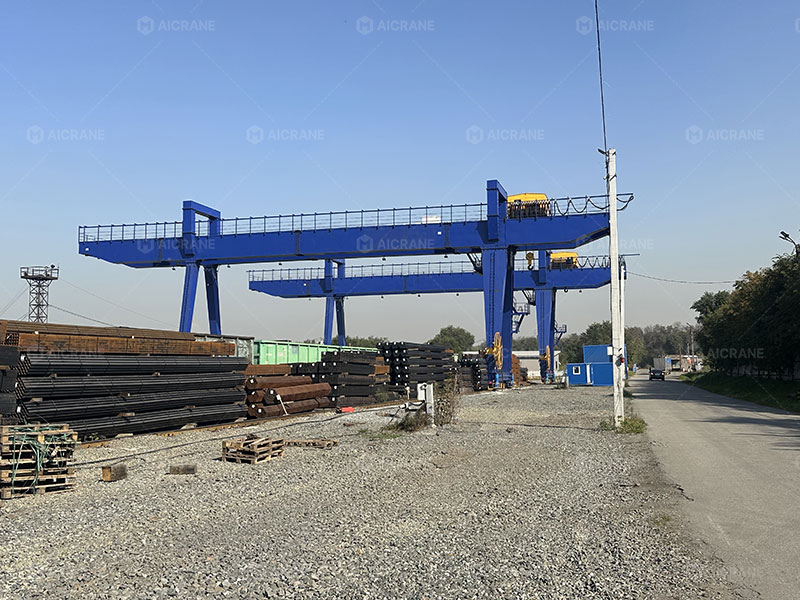
1. Base Manufacturing Cost Differences by Region
The foundation of a 30 ton gantry crane price starts with manufacturing costs, which vary widely depending on supplier location.
Labor and Production Costs
Suppliers located in regions with higher labor costs, such as North America or Western Europe, typically offer cranes with higher base prices. Skilled labor, stricter labor regulations, and higher social security expenses all contribute to increased production costs.
In contrast, manufacturers in regions with established crane manufacturing clusters – such as parts of Asia – often benefit from:
-
Lower labor costs
-
High-volume production
-
Integrated supply chains for steel structures, hoists, motors, and electrical systems
As a result, the ex-factory price of a 30 ton gantry crane from these regions is often more competitive, even when built to international standards.
2. Raw Material Sourcing and Steel Cost Variations
A 30 ton gantry crane is a steel-intensive product, with major components including:
-
Main girders
-
End beams
-
Legs and bracing
-
Trolleys and rails
Supplier location determines how easily and economically steel can be sourced.
-
Local steel production hubs benefit from shorter supply chains and stable pricing.
-
Regions that rely heavily on imported steel often face higher and more volatile material costs.
Additionally, some countries impose tariffs or export duties on steel products, which can indirectly affect gantry crane pricing depending on where the supplier is located.
3. Transportation and Logistics Costs
Transportation is one of the most visible ways supplier location affects the final 30 ton gantry crane price.
Domestic vs International Transport
-
Local suppliers typically offer lower transport costs, especially for large structural components.
-
Overseas suppliers must account for sea freight, port handling, inland transportation, and sometimes oversized cargo charges.
For a 30 ton gantry crane with long span requirements, components may exceed standard container sizes. Supplier location influences:
-
Whether the crane can be shipped in containers or break bulk
-
Port availability for heavy cargo
-
Distance from port to job site
While international shipping adds cost, competitive manufacturing prices can still offset these expenses when sourcing from global suppliers.
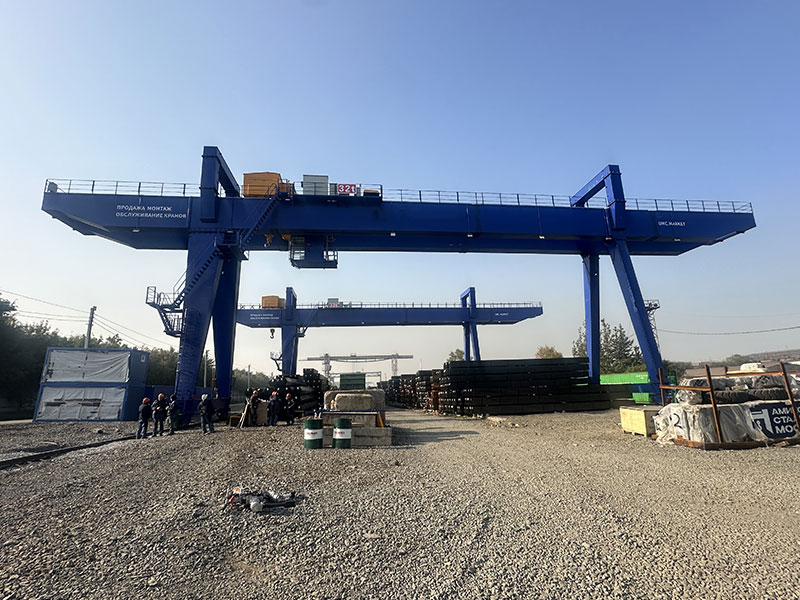
4. Import Duties, Taxes, and Trade Policies
Trade regulations vary by country and directly impact crane pricing.
Customs Duties and VAT
Importing a 30 ton gantry crane may involve:
-
Customs duties
-
Value-added tax (VAT)
-
Import processing fees
Supplier location determines whether buyers can benefit from free trade agreements, reduced tariffs, or preferential tax treatment. In some cases, sourcing from a specific region can significantly reduce total landed cost.
Trade Barriers and Compliance Costs
Political or trade tensions can result in:
-
Additional tariffs
-
Longer customs clearance times
-
Increased administrative costs
These factors should always be considered when evaluating gantry crane supplier location and price.
5. Standards, Certifications, and Compliance Requirements
A supplier’s geographic location often determines which technical standards they design to by default.
-
European suppliers may follow FEM or EN standards
-
North American suppliers often comply with CMAA or OSHA
-
International suppliers may offer ISO, FEM, EN, or customized compliance
If the supplier’s default standards differ from local regulatory requirements, additional engineering, testing, or certification may be needed. This can increase the overall 30 ton gantry crane price, even if the base manufacturing cost is lower.
6. Installation and Commissioning Costs
Supplier location plays a major role in installation strategy and cost.
Local Installation Teams
Local suppliers often provide:
-
On-site installation crews
-
Faster response times
-
Lower travel expenses
Remote or International Suppliers
Overseas suppliers may offer:
-
Online installation guidance
-
Detailed drawings and manuals
-
Optional on-site supervision at additional cost
While remote support can significantly reduce expenses, some projects – such as outdoor heavy-duty gantry cranes with complex rail systems – may still require on-site technical assistance, adding to the final price.
7. After-Sales Service and Spare Parts Availability
A 30 ton gantry crane is a long-term asset, and after-sales support is closely tied to supplier location.
Spare Parts Lead Time
-
Local suppliers can usually deliver spare parts faster.
-
International suppliers may require longer lead times, depending on logistics and customs clearance.
However, global manufacturers often standardize components, allowing parts to be sourced locally or regionally, minimizing downtime.
Maintenance and Technical Support
Supplier proximity affects:
-
Speed of troubleshooting
-
Cost of technical visits
-
Availability of trained service engineers
A slightly higher initial crane price from a well-supported supplier can often result in lower lifecycle costs.
8. Currency Exchange and Financial Risk
When purchasing from overseas suppliers, currency exchange rates play a crucial role in pricing.
-
A strong buyer currency can reduce the effective cost of a 30 ton gantry crane.
-
Exchange rate fluctuations may increase risk if contracts are not properly structured.
Supplier location determines contract currency and payment terms, which can significantly affect final project cost, especially for long lead-time orders.
9. Lead Time and Project Scheduling Impact
Supplier location also affects delivery time, which has indirect cost implications.
-
Local suppliers may offer shorter lead times.
-
International suppliers may require additional time for production, shipping, and customs clearance.
Delays in crane delivery can impact project schedules, labor costs, and overall project budgets. In some cases, paying a slightly higher price for a closer supplier can reduce costly downtime.
10. Balancing Price vs Value When Choosing Supplier Location
While supplier location clearly affects the 30 ton double girder gantry crane price, the lowest initial quote is not always the best choice. Buyers should evaluate total cost of ownership, including:
-
Manufacturing quality
-
Transportation and installation
-
Compliance and certification
-
After-sales service and spare parts
-
Operational efficiency and lifespan
Global sourcing allows buyers to access competitive pricing and advanced engineering, while local suppliers provide convenience and faster support. The optimal choice depends on project scale, technical complexity, and long-term operational priorities.
Conclusion: Making a Smarter 30 Ton Gantry Crane Investment
Supplier location is a decisive factor in determining the final price of a 30 ton gantry crane, influencing everything from manufacturing cost and logistics to compliance and after-sales service. By understanding these location-based cost drivers, buyers can compare quotations more accurately and avoid hidden expenses.
Rather than focusing solely on initial price, decision-makers should assess value, reliability, and lifecycle cost. A well-chosen supplier – whether local or international – can deliver a cost-effective 30 ton gantry crane solution that meets technical requirements, supports efficient operations, and maximizes return on investment over the crane’s service life.